
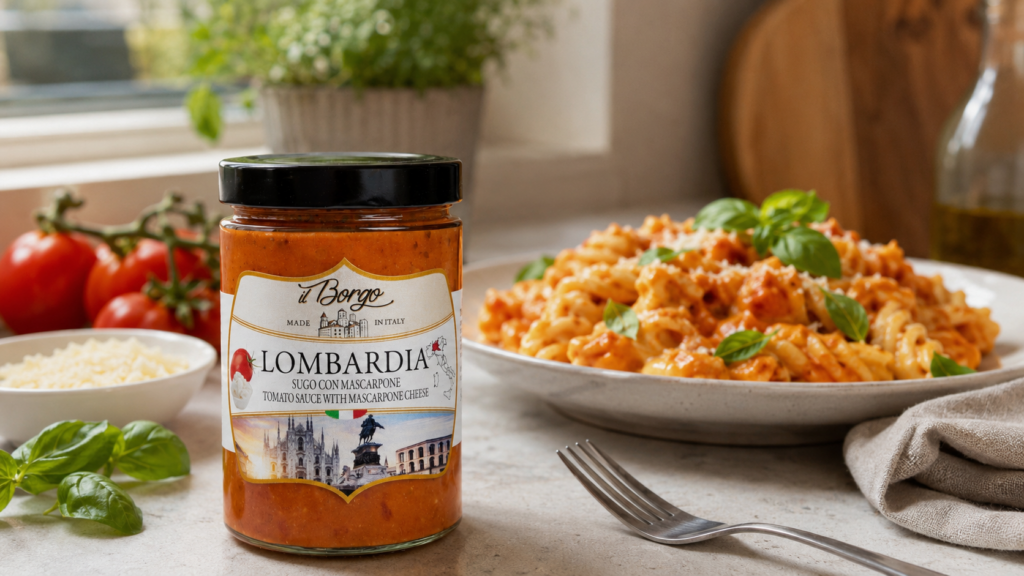
Pasta and Sauce Pairing Guide: How to Choose the Right Combination
A great pasta dish depends on more than simply choosing a sauce you enjoy. A sauce’s flavor, richness, texture, and ingredients all influence which pasta complements it best. Understanding pasta sauce pairings can help create a dish where the pasta and sauce work together rather than compete for attention.
Acidity Creates Balance
Tomatoes form the foundation of many classic Italian pasta sauces, bringing acidity that adds brightness and balances richer ingredients such as cheese, meat, and olive oil.
A smooth tomato sauce pairs naturally with long pasta like spaghetti, while thicker sauces often benefit from sturdy shapes that can capture more flavor. A sauce like Il Borgo Sicilia, for example, combines tomato with the salty richness of ricotta salata, making substantial pasta shapes such as rigatoni or penne a natural choice.
Richness and Cheese Change the Pairing
Cheese can dramatically affect both the flavor and consistency of a sauce. Mascarpone creates a smooth, creamy finish, while aged cheeses such as Parmigiano Reggiano and Asiago contribute sharper, more savory flavors.
Rich sauces generally pair best with pasta that has enough structure to carry them. Wide ribbons provide plenty of surface area for creamy sauces, while tubes and ridges hold onto thicker sauces and pieces of cheese or vegetables.
Herbs and Olive Oil Add Freshness
Herbs such as basil, oregano, and parsley can bring freshness and aroma without weighing a dish down. Extra virgin olive oil also contributes richness while helping carry those flavors throughout the pasta.
Lighter preparations built around herbs and extra virgin olive oil pair particularly well with delicate or long pasta shapes. Pesto is another good example: its finely textured combination of basil, cheese, nuts, and olive oil works especially well with twisted or ridged pasta that can capture the sauce.
Let Texture Guide the Pasta Shape
One of the easiest rules for how to pair pasta with sauce is to consider texture. Thin, smooth sauces generally complement delicate pasta, while chunky sauces containing vegetables, meat, or cheese need stronger shapes.
Rigatoni, penne, and similar tubular pasta can catch substantial sauces inside their openings and along their ridges. Twisted shapes such as fusilli are excellent for pesto and finely chopped ingredients, while long strands work beautifully with smoother tomato or olive oil-based sauces.
There is no single “best pasta sauce” for every dish. The goal is balance. When acidity, richness, herbs, cheese, vegetables, and texture complement the pasta shape, every bite delivers a better combination of flavor and texture.

